In Hur Jin-ho's 1970s newsroom thriller "The Assassin(s)," K-drama star plays rookie reporter who puts privilege to work chasing the truth
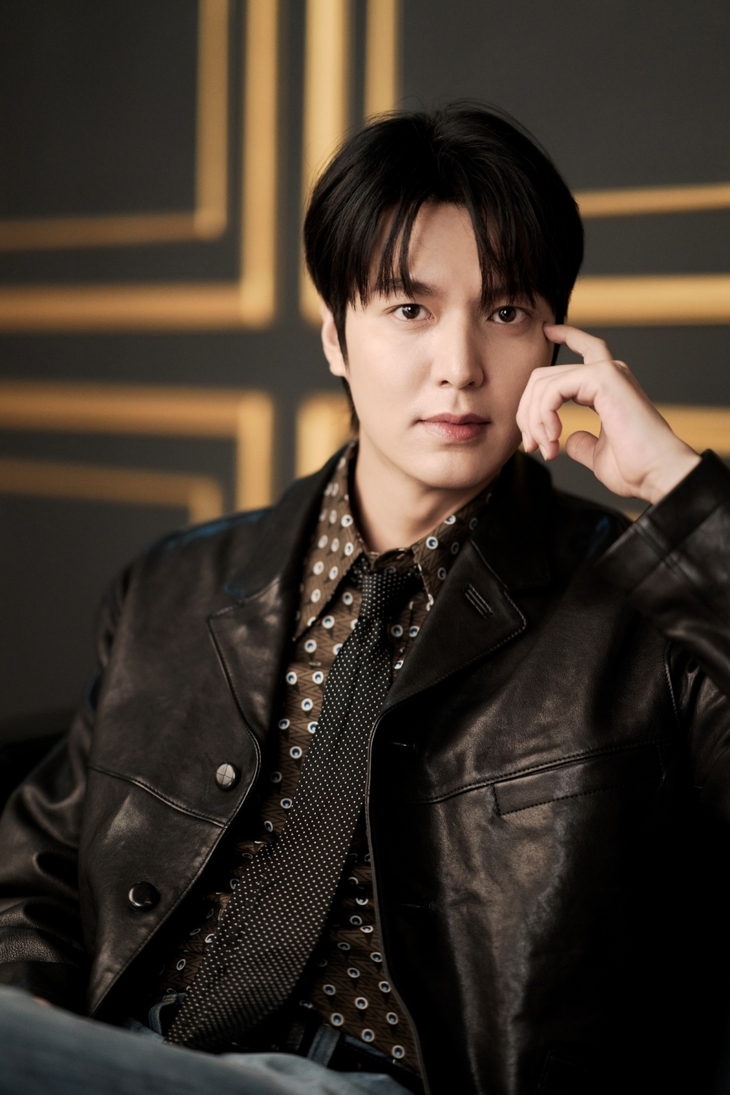
Picture a newspaperman in a movies set in the 1970s -- what probably comes to mind is a rumpled shirt, a few days' stubble and a cigarette burning down in an ashtray on a cluttered desk. In "The Assassin(s)," Lee Min-ho is anything but.
In director Hur Jin-ho's newsroom thriller based on real events, the K-drama superstar plays a rookie reporter who comes to the job with a trust-fund pedigree and movie-star looks.
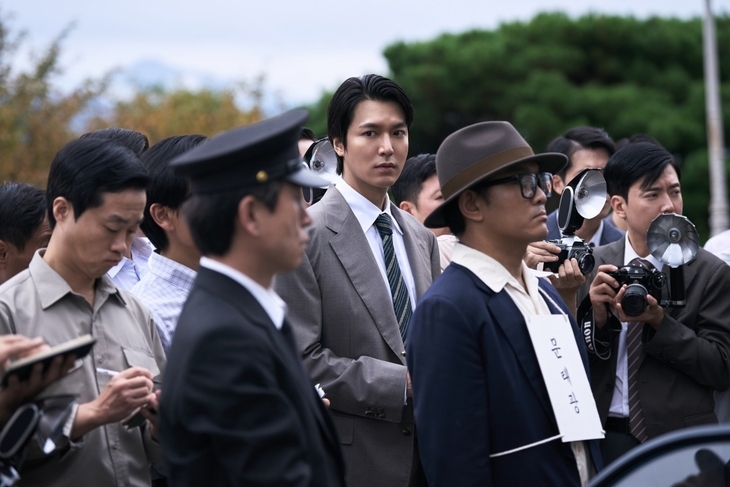
His Young-il is the youngest brother in a chaebol family who joined the fictional Dongsung Daily over his family's objections and is out to prove he's more than a nepo baby. Young-il's big break comes in the worst possible way when his editor (Park Hae-il) sends him alone to cover what was supposed to be a routine Liberation Day ceremony on Aug. 15, 1974, where a gunman fires at the president and kills the first lady instead. When he comes back with a version of events that does not line up with that of the government, his team decides to run it down, with jobs and possibly lives at stake.
Young-il is not one to flaunt what he comes from, but he knows when to tap into it. Higher-ups who would blow off any other reporter bend over backwards for him; besides, his good looks have a way of loosening tongues among the women he questions.
Much of that swagger flows naturally from the actor himself, as one of the most admired faces Korea has ever exported. The guy himself seems well aware of what he has got.
"In private, people tell me I look like I come from money," Lee joked at a cafe in central Seoul on Friday. "Wherever I am, though, I've never been one to try to stand out. I think that's what keeps some of the more over-the-top setups in the film from feeling like too much."
Reading the script, Lee did wonder whether a reporter capitalizing on his family connections might be a hard sell. "The way to sell it, I figured, was to make him someone who knows how to make use of what he's got. That's probably why Young-il comes across a little more free-spirited"
At 39, Lee is well past the cocky heartthrob of "Boys Over Flowers" or "The Legend of the Blue Sea," rom-coms that now feel like ancient history. What has settled in its place is something of an old-fashioned, matinee-idol quality, a face that would look right at home in a black-and-white photograph.
That throwback charm may explain why period pieces keep coming his way, from "Gangnam Blues" to "Pachinko" to "The Assassin(s)." Co-star Park Hae-il even likened Lee to Shin Sung-il, the leading man of 1960s Korean cinema.
Lee has a theory about the fit. "It seems to take a pretty big jolt for something to happen in me," he said. "I tend to take most things in stride. So to really feel something, I'm drawn to stories that grow out of a clear, heavy situation, like a period piece. There's already this big thing going on in the era, and inside of it I get to look like someone with his feet on the ground."
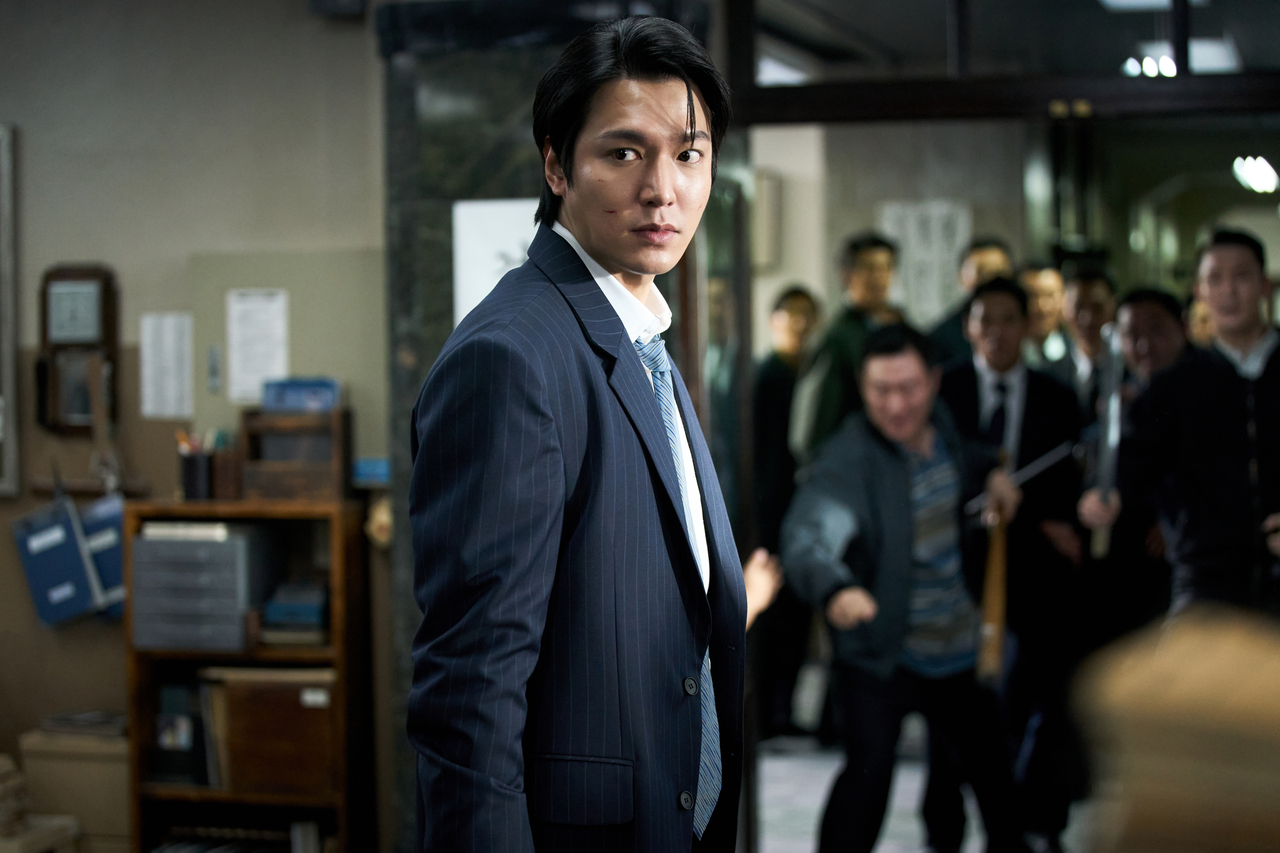
That awareness of the bigger picture is exactly what a film like this calls for. A reporter going up against an iron-fist authoritarian regime needs more than an aura, and Young-il steps up as a shoe-leather journalist who does the dirty work at real personal risk. His grit -- and the righteous streak behind it -- gives this politically forthright piece its moral compass.
For Lee, his character is a young man who is torn about a life already mapped out for him. "He grew up sheltered and loved, like a houseplant, with a good life all but guaranteed," he said. "I wanted that youthful energy of someone who doesn't reject any of that, but still wants to make his own way. Then he gets out into the world and meets Jae-hwan, the first grown-up he can actually look up to."
He has his own take on the profession, too.
"A reporter starts by gathering what happened and passing it on with as little of himself in it as possible, without twisting it," he said.
"The whole country is shaken by this one event, and there's another victim nobody is paying attention to. I think Young-il felt how unfair that was. That's the kind of journalism he's after."
"The Assassin(s)" opens in Korean theaters Sept. 23.
moonkihoon@heraldcorp.com